Bees and Wasps
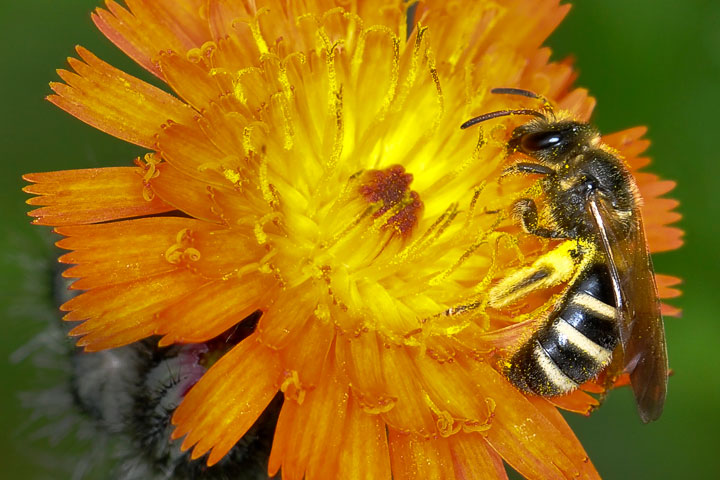
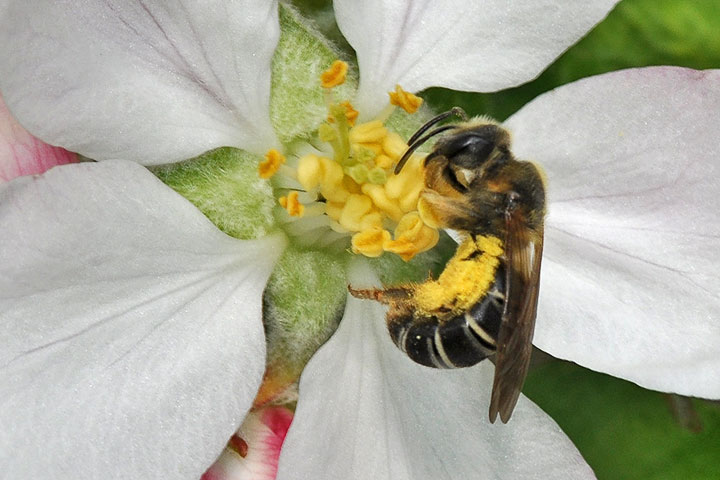
Bees, wasps, (and ants) belong to the same order: Hymenoptera. The term, hornet, is just another name for wasps, but it is often only applied to a large ones. The term, yellow jacket, is generally applied to a large wasp (or hornet) with yellow colouring. Clearly, these latter terms are used rather loosely. This page will try to conform to local usage.
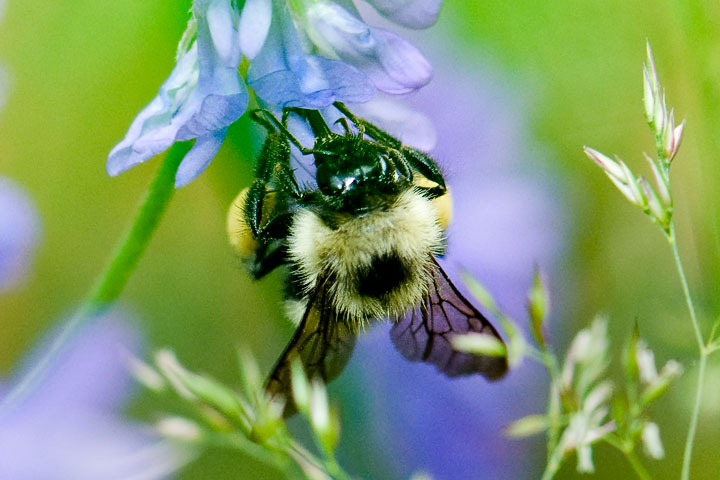
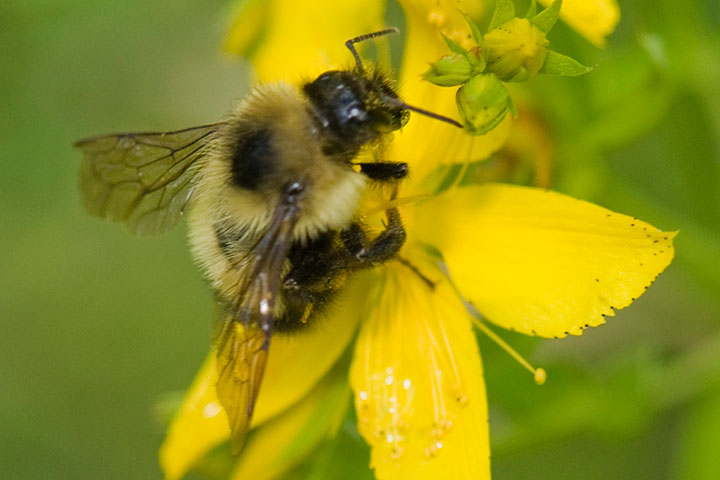
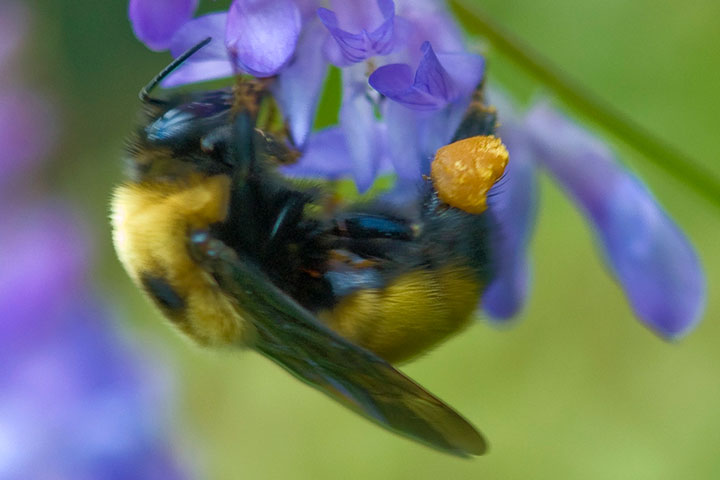
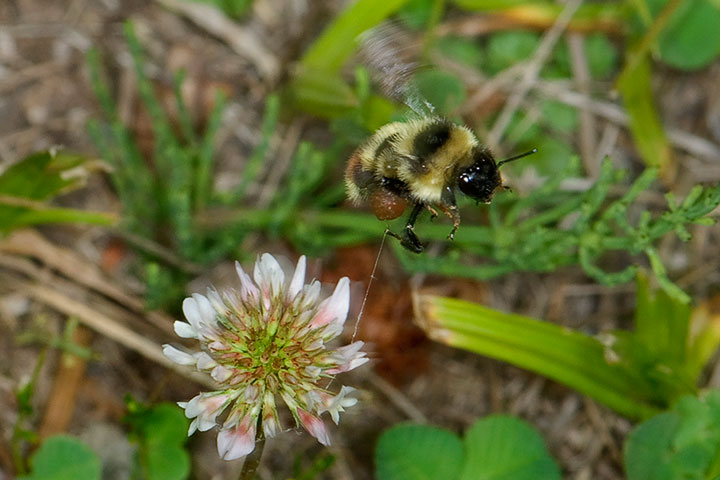
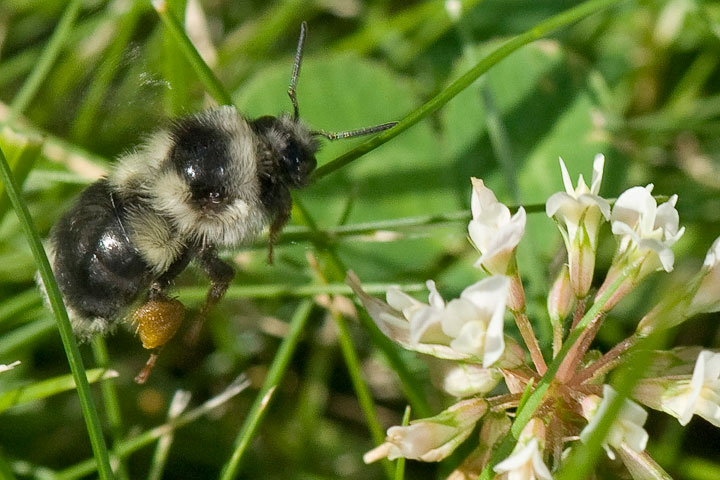
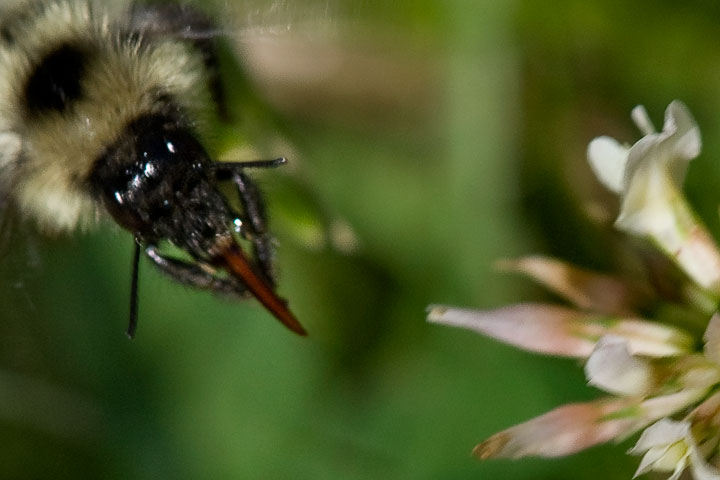
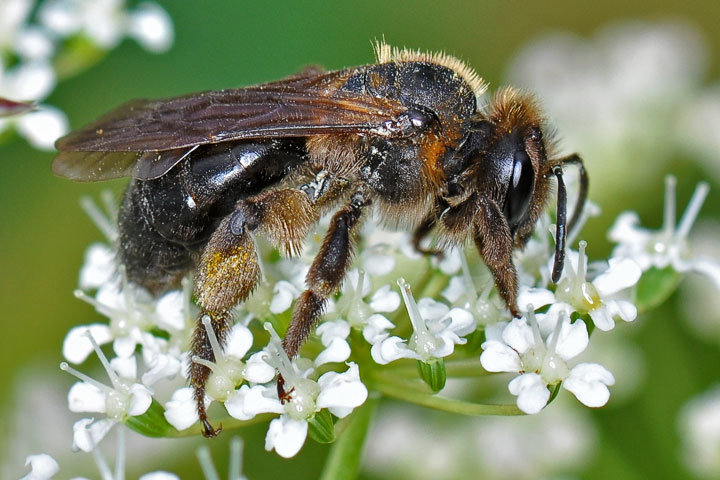
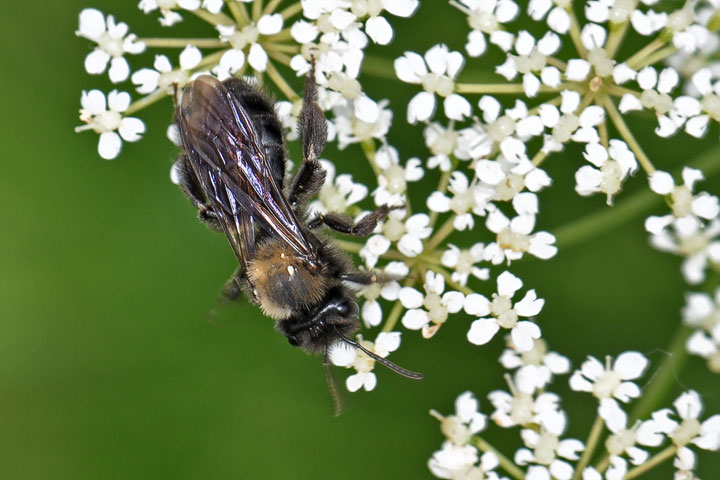
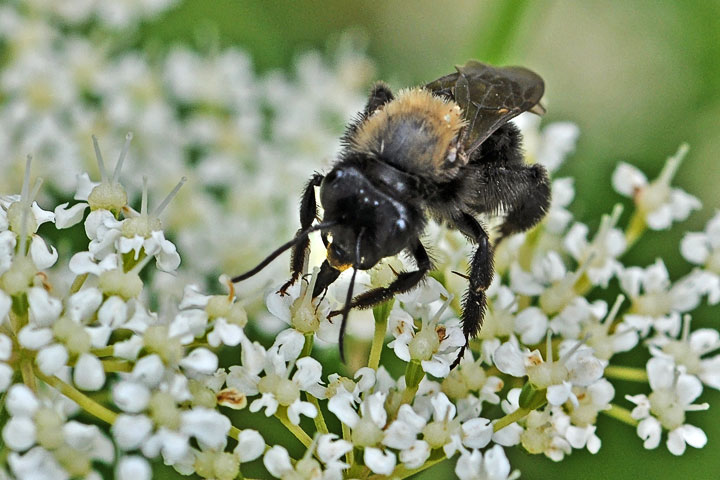
Bees (generally) are social insects which live on a diet of pollen and nectar. They almost always have hairy bodies, an adaptation which boosts the collection of pollen. The local representative is the Bumblebee, which has quite a painful sting. However, they are not very aggressive. The bumblebee genus is Bombus, within which the following species have (apparently been) seen in the vicinity of the Lake: occidentalus (western bumblebee), sitkensis, melanopygus, rufocinctus, appositous, bifarius, suckleyi, centralis, and flavifrons.
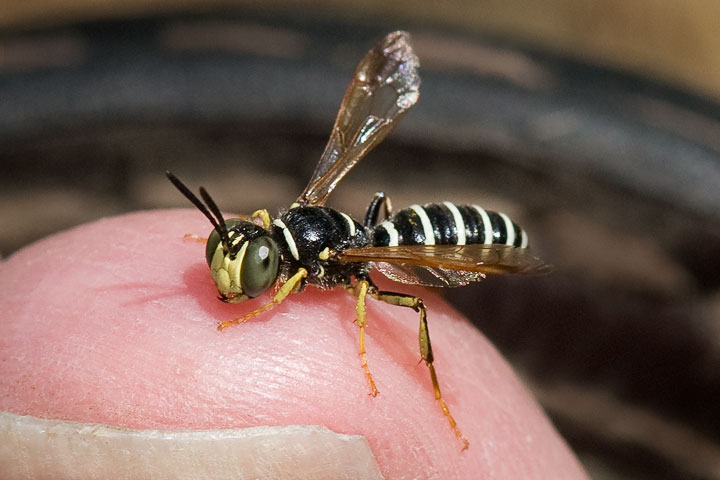
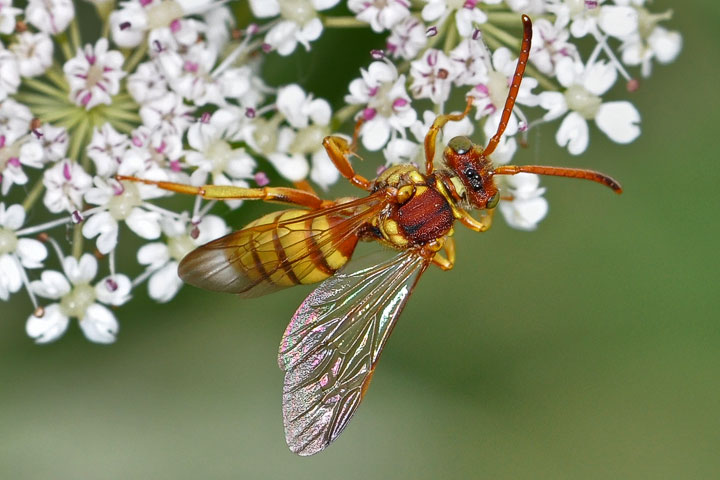
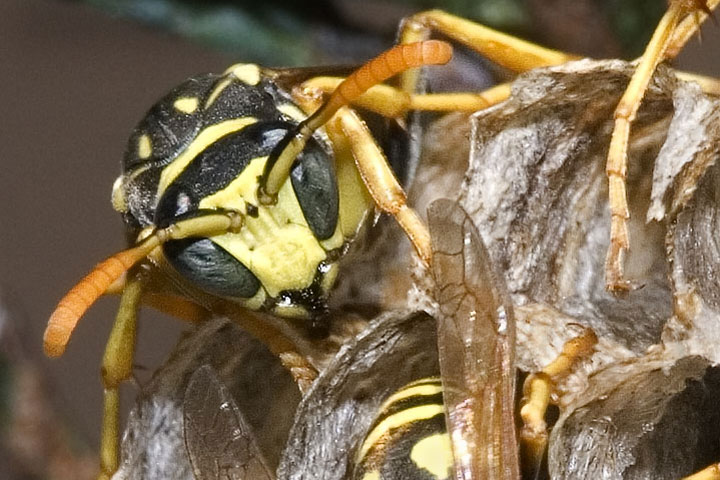
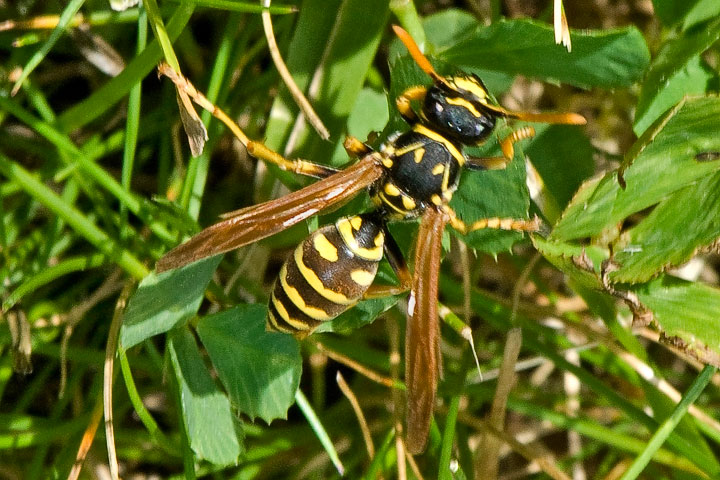
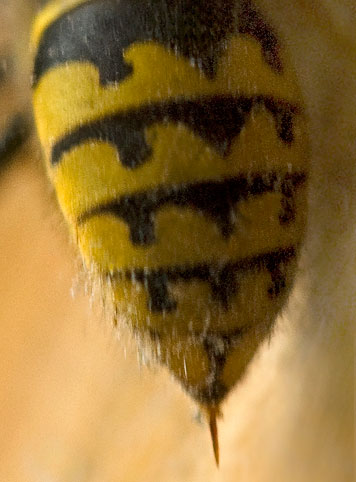
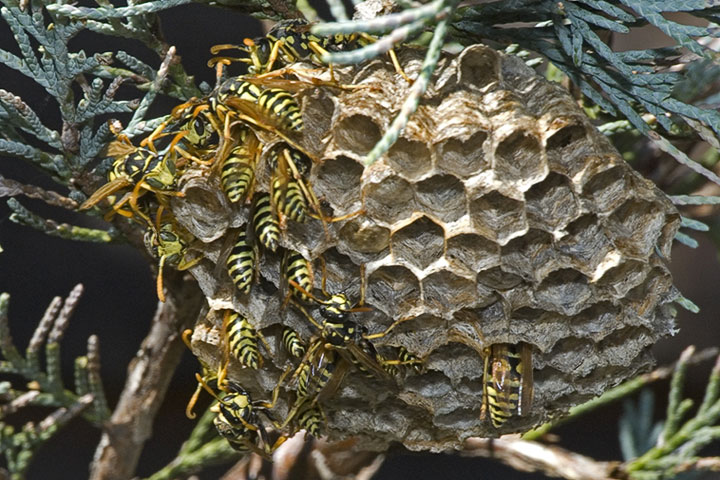
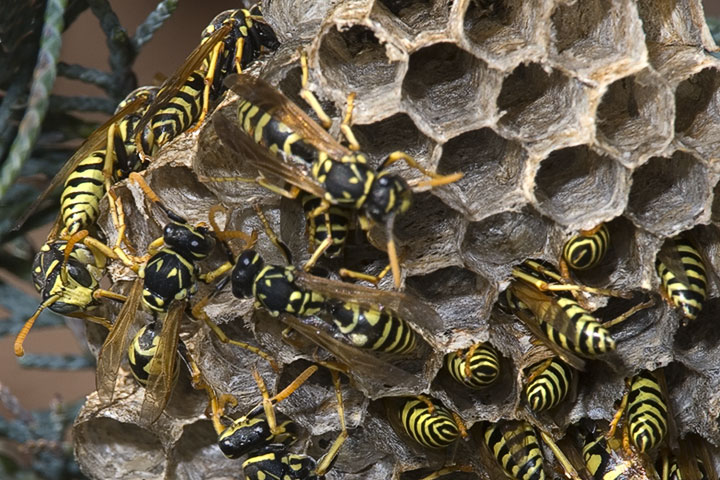
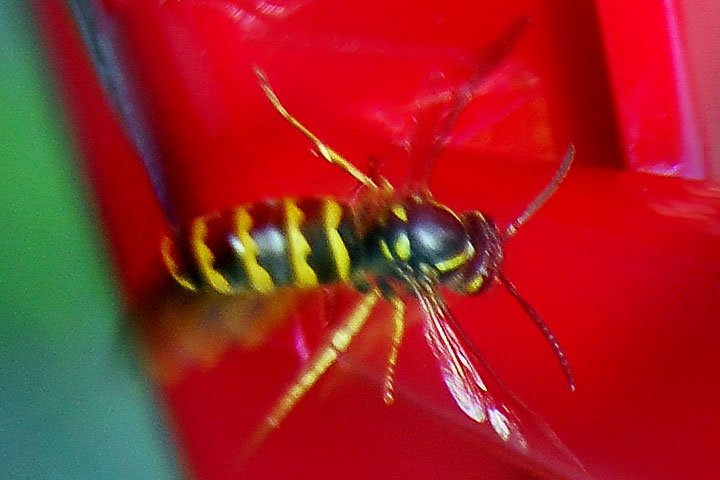
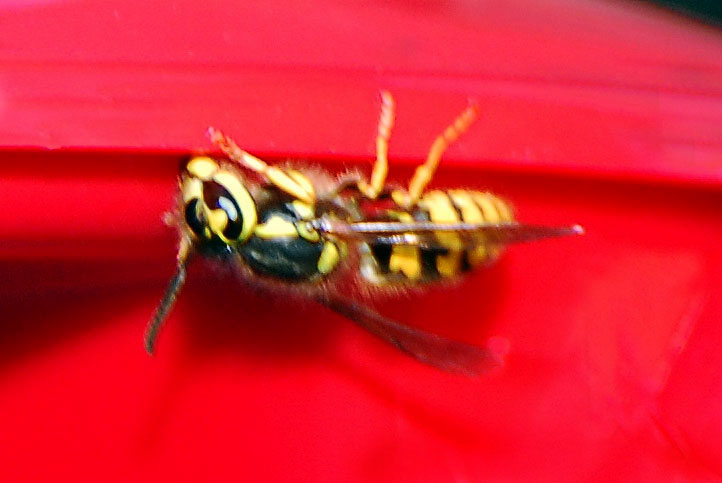
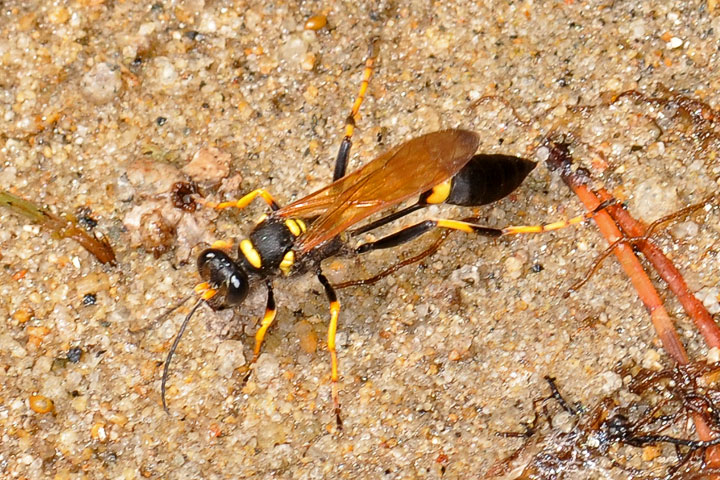
Wasps (generally) have a less hairy body—they don’t play much of a role in pollination— rather, they eat and parasitize other insects. Locally we get the Bald-faced Hornet, the Yellow Jacket, and the Paper Wasp (there may be others). The Bald-faced Hornet is black and white, stings readily, and builds large nearly spherical paper nests. The Yellow Jackets are a bit smaller, are black and yellow, sting readily, and build nests both in the ground and trees. Paper Wasps are also black and yellow, but while they will sting, they much slower to do so than the other wasps. They build open, single–layered, disc–shaped nests which enable easy observation of their activities.